Choosing a TWS earbud manufacturer in China in 2026 is not only about finding a lower price. The bigger question is whether the supplier can protect your project from hidden risks before mass production begins.
The market still has room for new products. According to Omdia, global TWS shipments reached 92.6 million units in Q3 2025. But the same report also shows that growth is becoming more selective, with open wireless stereo products growing faster than conventional TWS earbuds.
Simple words, buyers still have opportunities. But the wrong supplier can turn a good idea into delayed samples, unstable batches and expensive after-sales problems.
Unclear Low Pricing
The first red flag is a price that looks attractive but cannot be explained.
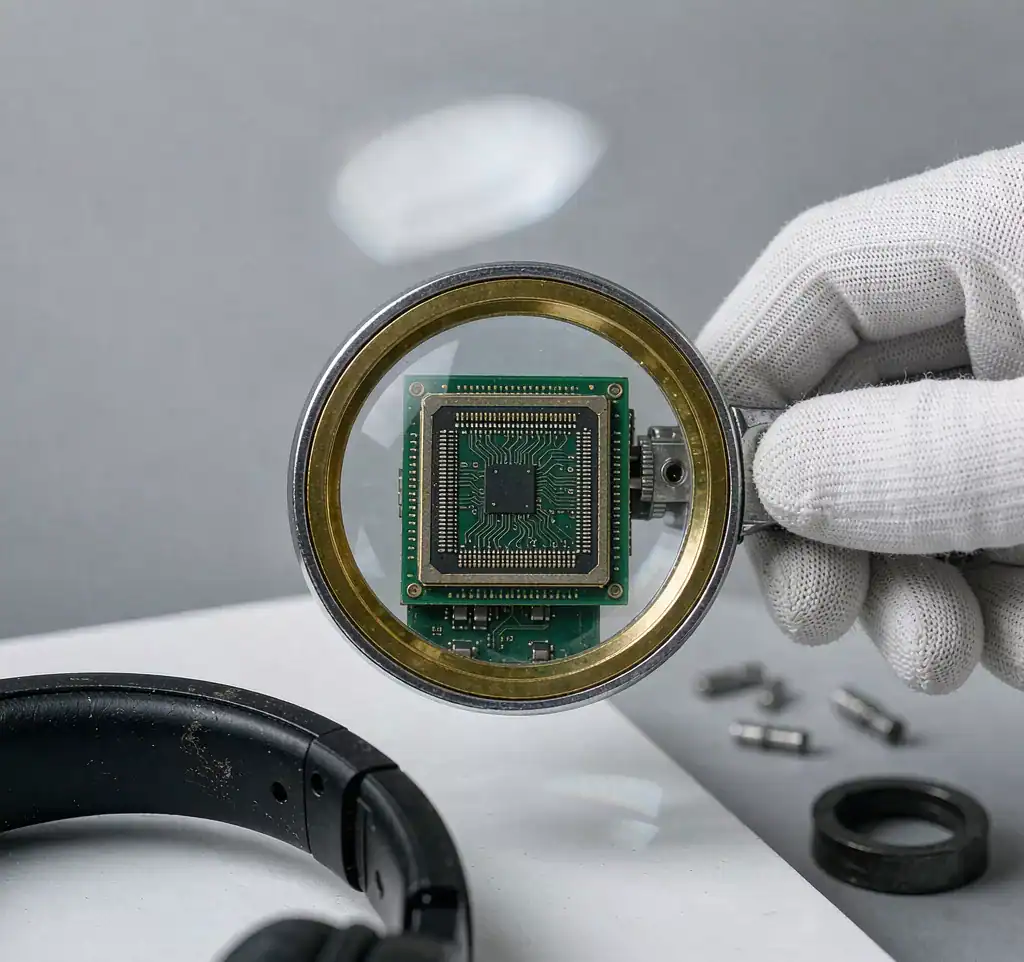
A TWS earbud quotation is not just one number. It depends on the chipset, battery, microphone design and acoustic structure. If a supplier only says “we can do the lowest price” but cannot explain what has changed in the BOM, the risk is usually hidden inside the product.
You can ask a few direct questions.
Which chipset is used? What is the battery capacity? How many microphones are inside each earbud? Is the sample using the same configuration as mass production?
If the answer is vague, the low price may not be a real advantage. It may mean weaker components, unstable supply or a different product from the one you tested.
Sample Looks Too Perfect
The second red flag is a sample that works well, while the supplier cannot explain how the same quality will be repeated in mass production.
This is a common problem in TWS earbud projects. The sample sounds good, the case looks clean and the connection feels stable. But when the first batch arrives, buyers may find charging issues, pairing problems or inconsistent sound.
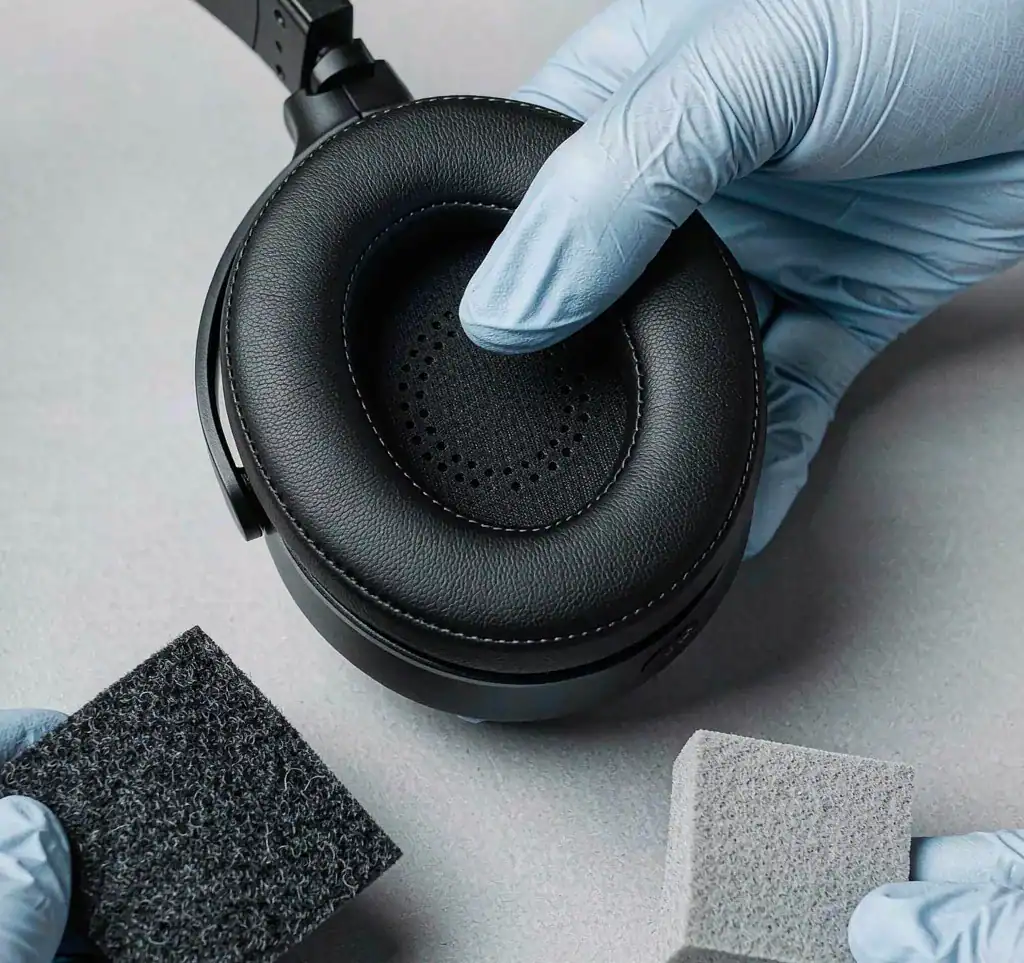
A reliable manufacturer should keep a golden sample and define the mass production standard around it. The supplier should also explain aging tests, incoming material checks and final inspection methods.
You may ask one simple question: what will you do if the mass production sound is different from the approved sample?
If the supplier has no clear answer, the sample is only a sales tool, not a production reference.
Certification Sounds Too Easy
The third red flag is when a supplier says certification is “no problem” without asking about your target market.
TWS earbuds involve wireless transmission and lithium batteries. If the product is sold in the United States, it may need FCC equipment authorization. If the product uses the Bluetooth name or logo, buyers also need to pay attention to the Bluetooth Qualification Process.
Battery shipping is another point. The IATA lithium battery guidance explains that lithium batteries have specific air transport requirements, including testing and packaging rules.
This means certification should not be handled at the last minute. Buyers should confirm the target country, required reports and label requirements before mass production.
A supplier that only says “we have certificates” may not be enough. The better question is whether those certificates match your exact model, brand and sales market.
Features Without Testing
The fourth red flag is a product page full of features but without real testing.
Words like AI noise cancellation, low latency and long battery life are easy to write. What matters is whether the buyer can verify them in real scenarios.
For AI call noise reduction, test calls in an open office or cafe. For ANC earbuds, test subway noise, office noise and walking noise. For battery life, check the testing volume, codec and mode.
If a supplier cannot provide test conditions, audio comparison or sample verification methods, the feature may only be marketing language.
A strong manufacturer will not only tell you what the product can do. It will also tell you where the feature works best and where it should not be exaggerated.
Weak Follow Up
The fifth red flag is fast sales communication but weak project follow up.
At the beginning, every supplier replies quickly. The real test starts after sample changes, packaging confirmation and pilot production. That is when buyers can see whether the supplier has real project control.
You can observe how they handle small details. Do they confirm the sample version? Do they record packaging changes? Do they notify you before replacing materials? Do they have a process for charging failure, one-side no sound or Bluetooth pairing complaints?
If every answer is only “no problem,” that is not enough.
For TWS earbuds, the project does not end when the order is placed. It continues through sample approval, pilot run, mass production and after-sales tracking.
Final Check
A good China TWS earbud manufacturer should make the project easier to judge, not harder to understand.
Before choosing a supplier, buyers should look beyond price. Check whether the configuration is transparent, whether the sample can be repeated and whether certification is planned early. Also check whether each feature can be tested in real use.
For an earbud solution and manufacturing partner like Sonun, the value is not only making earbuds. It is helping customers turn an idea into a product that can be verified, produced and sold with lower risk.
In 2026, the safest supplier is not always the one with the lowest quote. It is the one that can explain the risks before they become your problem.