Many OEM companies do not lose profit all at once. They lose it slowly, at each product decision point.
A sample is already made, but the customer says it feels uncomfortable. Ads are running, but buyers only ask about MOQ and delivery time. A new product is ready to launch, but old inventory is still sitting in the channel. Product lifecycle management helps companies see these problems early, before they become real costs.
You may ask: what does PLM actually manage? Simply put, it helps companies answer three questions: is this product worth developing, how should it be sold, and when should it be retired?
Development: Validate the Buying Reason First
The first step in product development is not drawing the design or opening the mold. It is answering one basic question: why would a customer buy this product?
Is it because the price is lower? The delivery time is faster? The function is more stable? Or because it is easier for the customer to customize with their own logo and brand identity? If this reason is unclear, the product may look finished, but still fail in the market.
For OEM companies, the development stage should focus on several signals: whether the target customer is clear, whether the target price can cover BOM cost, whether the main selling point can be explained in three simple sentences, and whether sample feedback repeats the same problem.
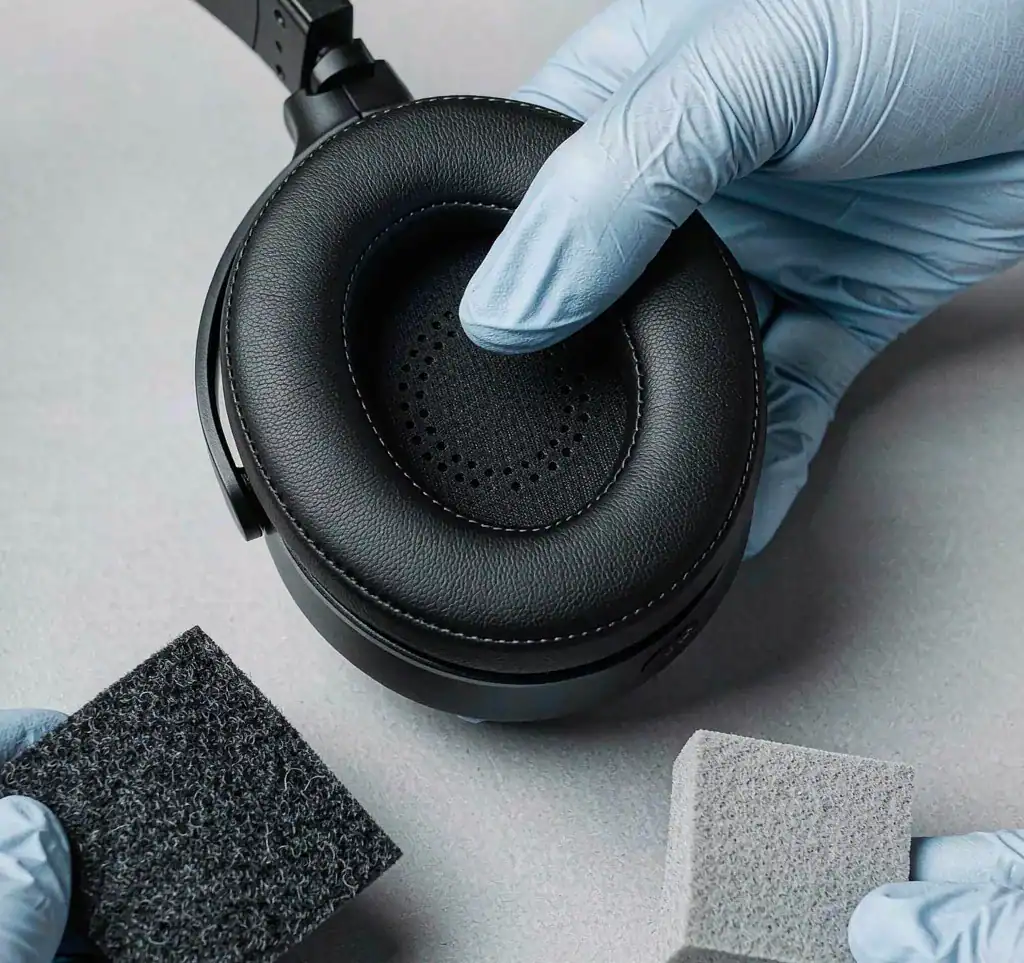
For example, if several customers say a headphone sample feels tight after long wear, or the call quality is unstable, that is not a marketing problem. It means the structure, acoustic design, or component choice needs to be fixed before mass production.
McKinsey notes that PLM and digital twin systems can help companies capture and transfer product knowledge across development, manufacturing, and service stages, making feedback useful for the next product decision .
In simple terms, the earlier a product problem appears, the cheaper it is to solve.
Launch: Find Where the Buyer Gets Stuck
After launch, many companies first look at exposure, clicks, or exhibition traffic. But for OEM business, those numbers are not enough.
The better question is: did the buyer request a sample? Did they ask for a quotation? Did they discuss MOQ, certification, logo customization, delivery time, or packaging details?
If there are many clicks but few inquiries, the product message may not be clear enough. If there are inquiries but few quotations, the price range, delivery ability, or customization process may not be explained well. If quotations do not turn into trial orders, the company should check sample quality, payment terms, certification documents, or competitor pricing.
You may ask: where should the marketing budget go? Do not increase spending by instinct. First look at which country converts samples into orders fastest, which customer type has a higher reorder rate, and which selling point brings better margin. Then put more resources into those channels.
McKinsey’s research on product launches shows that many launches fail to meet business goals, and success depends on connecting market feedback with real commercial results, not just completing the launch activity.
For OEM companies, this means one thing: do not only ask whether the product was promoted. Ask where the customer stopped moving.
Retirement: Plan the Exit Before Profit Disappears
A product should not be retired only after nobody wants it anymore. By that point, inventory may already be high, channel pricing may be messy, and the new product may already be competing with the old one.
The warning signs usually appear earlier. Gross margin keeps falling. Key components become harder to source. After-sales issues increase. Channel inventory moves more slowly. A new model already covers most of the old product’s use cases.
When these signals appear together, the company should start planning the exit.
A practical approach is to give key customers and channels a 90-180 day transition window. Set a final order date, check finished goods inventory, review material inventory, and prepare after-sales spare parts. Old products can then be cleared through regional promotions, bundle sales, or replacement model guidance.
Bain’s research on closed-loop product lifecycle management highlights that leading companies bring customer and market feedback into lifecycle decisions, from concept to end-of-life planning.
For OEM companies, retirement is not the end of a product. It is how the company makes room for the next product’s price, inventory, and sales attention.
Conclusion: Use Three Tables to Protect Product Profit
Product lifecycle management is not just a system or a process document. Its real value is simple: less rework in development, less wasted spending in launch, and less inventory pressure during retirement.
OEM companies can start with one core product line and build three practical tables: a development feedback table, a launch conversion table, and a retirement signal table. Review signals weekly, adjust actions monthly, and review product direction every quarter.
Products will always be replaced. But a strong lifecycle management method stays inside the company and keeps improving profit quality.