Suppose you are planning a new over-ear headphone. The factory already has a product with a similar shape. You can use this shape and change the color and logo. This is called using an existing housing.
If you do not want to use the factory's current earcup and headband shapes, you can ask for a new design. The factory will then need to make molds for the new parts. This is called making a new mold.
Neither choice is always better. The right choice depends on how much you want to change and whether customers really need those changes.
Start with an Existing Housing for Color and Logo Changes
Some buyers say they want a headphone that “looks different.” However, this request is not clear enough.
If you only want a different color, your own logo, and custom packaging, check the existing housing first. The headphone shape stays the same, so the factory does not need to make a new housing mold.
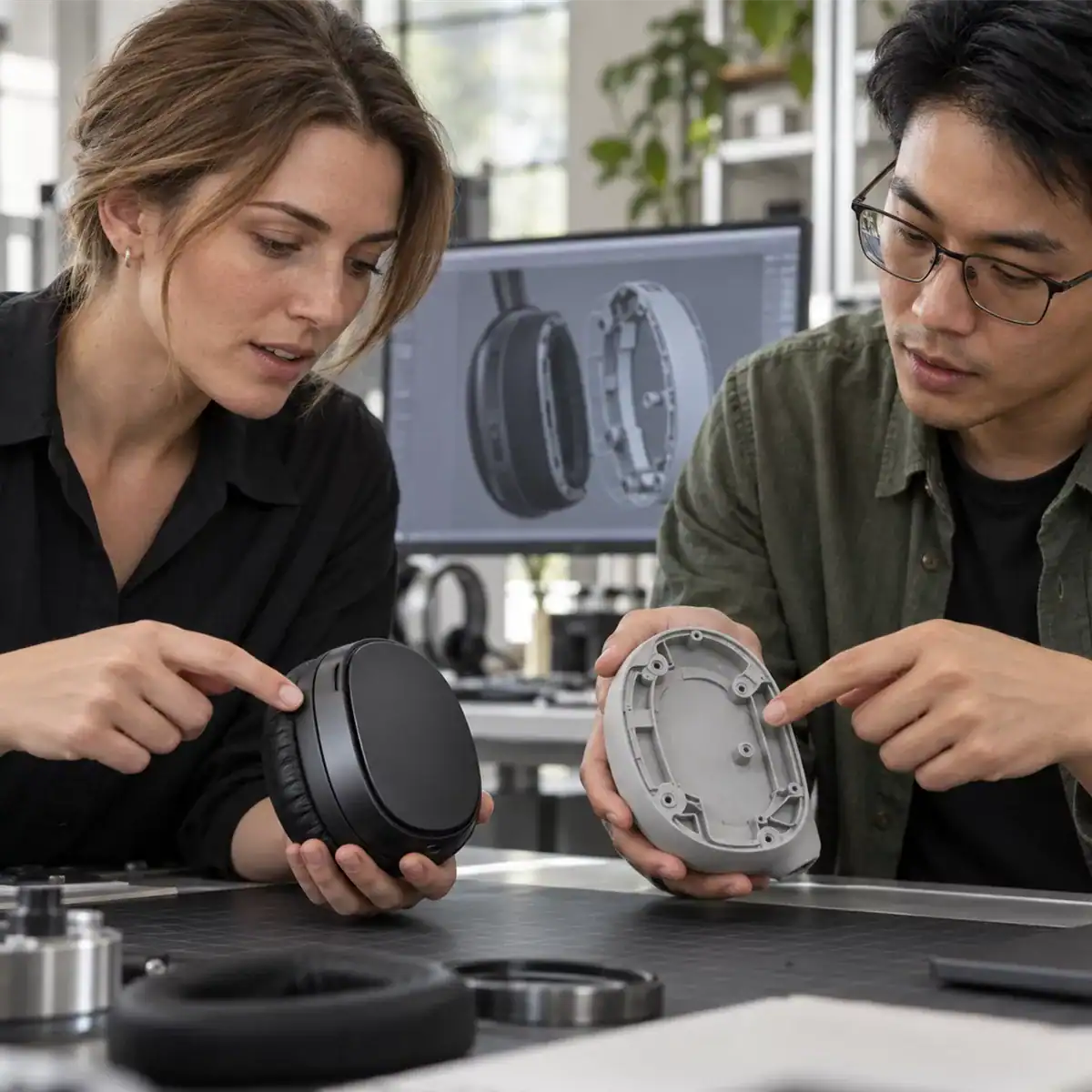
The situation changes when you want a different earcup shape or want to change how the headband fits. The factory's current molds cannot produce a new shape. This is when you need to discuss new molds.
Before making a new mold, ask a more practical question. Why will customers care about this change?
The mold cost is hard to justify if the new shape only looks different. The new design should also improve comfort or make the controls easier to use. A new mold is necessary only when the factory's existing shape cannot deliver the result you need.
An existing housing is a headphone shape that the factory has produced before. The earcup shape and the way the headband connects are already decided.
Buyers can still discuss changes based on this housing. The color can change, and the product can carry the buyer's logo. The packaging can also follow the buyer's brand requirements.
However, buyers should not guess what can be changed. The factory should clearly state which areas can change and which areas must stay the same.
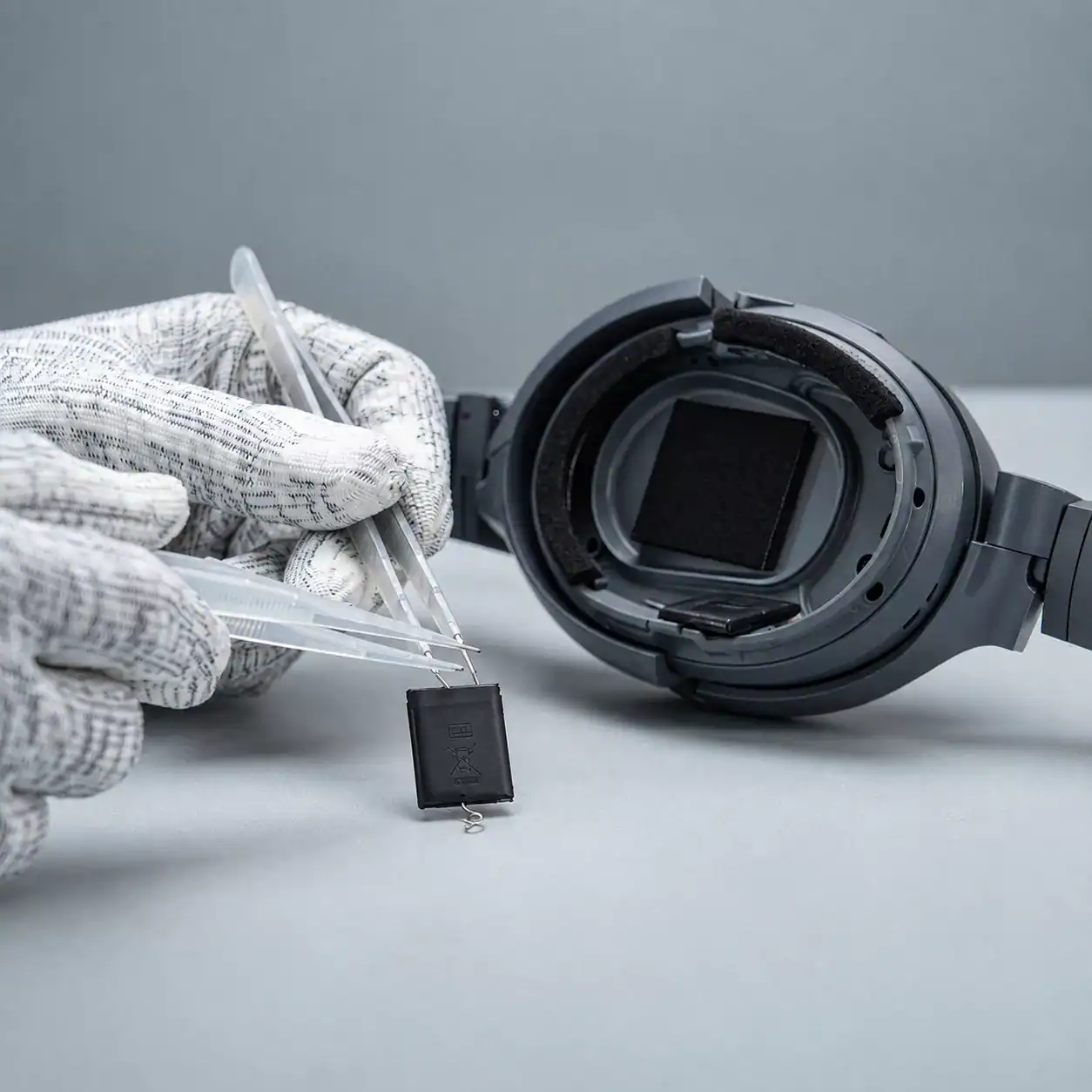
The parts inside the headphone also need separate confirmation. Two headphones can look the same but use different drivers or chipsets. The final approved sample must use the same parts planned for mass production. Approving a sample with only a similar appearance is not enough.

Use an Existing Housing to Test the Market First
Suppose a brand wants to add a new headphone but does not know whether customers will accept it. An existing housing allows the brand to make a sample close to the final product. Customers can then test the sound and fit.
Using an existing housing removes the need to redesign the shape and make new molds. The brand can let customers try the product before deciding whether to invest more.
However, an existing housing does not mean the product is ready for mass production. Buyers still need to test the sample they plan to sell. They should check the sound, buttons, wireless connection, and fit.
If the sound or functions do not meet the requirements, the buyer should change the internal parts or choose a different product. A housing that has been produced before is not a reason to skip sample approval.
Make New Molds When the Existing Shape Cannot Work
A new mold makes more sense when the special shape gives customers a reason to choose the headphone. The same applies when the product needs a different way of folding or fitting.
For example, you may want the headphone to fold in a new way, but the factory's current hinge cannot do it. You may also want a special earcup shape that cannot be made with the existing housing. These are clear reasons to discuss a new mold.
Making a new mold does not always mean redesigning the entire headphone. A project may need a new mold only for the earcup cover. Another project may only need a new hinge. Parts that still work do not need to be redesigned.
Do not simply tell the factory that you want a “fully customized headphone.” Tell the factory which part you want to change and why. The factory can then identify which parts can stay and which parts need new molds.

Complete Six Steps Before Production
Step One Explain what needs to change
The buyer should name the exact part and explain what problem the new part must solve. A product image alone is not enough because it does not show how the parts fit inside.
Step Two Check the space inside
The factory must design around the actual driver, battery, and other parts. It must confirm that the new housing has enough room. If the space is too small, the design must change before mold production starts.
Step Three Check how the parts connect
The new earcup must connect correctly to the original headband. The screw holes and clips must also line up. After these checks, the factory should provide a drawing with dimensions and connection points for the buyer to approve.
Step Four Make the mold
The factory should start making the mold only after the buyer approves the drawing. This reduces the risk of finding out too late that the parts do not fit.
Step Five Check the first molded samples
After the mold is ready, the factory makes the first housing samples. The buyer and factory should check whether the parts fit together. They should also compare the real appearance with the approved design. If the new housing affects the buttons or wireless connection, those functions must be tested again.
Step Six Complete a small pilot run
A pilot run is not a full production order. The factory makes a small number of units with the planned production materials and assembly method. This step checks whether workers can assemble the product consistently under real production conditions.
If a problem appears at any step, the project should stop and correct it first. The project should not move forward while the parts still do not fit correctly.
New Molds for Selected Parts Can Also Work
Some projects do not need to use the complete existing shape. They also do not need to redesign the entire headphone.
For example, the original driver, chipset, and headband can stay. The brand may only want a new shape for the earcup cover. The factory can keep the other parts and make a mold only for the new cover.
This reduces the number of parts that need a new design. However, the new earcup cover still needs to be checked. The factory must confirm that it fits correctly and does not press against the parts inside. If the new cover changes the internal space, the affected functions must be tested again.
Making molds for only selected parts reduces the redesign work. It does not remove the need for testing.
Use Three Questions to Make the Decision
First, can you make the change through color, logo, or packaging? If the answer is yes, start by checking the factory's existing housings.
Second, does the existing shape prevent you from creating the result you need? If the existing shape already works, there is no reason to make a new mold only to make the product appear more customized.
Third, will customers notice or benefit from the new shape? If customers cannot see a useful difference, the new shape will not help the brand sell the product. The same is true when the product is no better to use.
Discuss a new mold only when the existing shape cannot meet the requirement and the new shape provides a clear benefit.
Give the Factory Clear Details Before Requesting a Quote
The buyer can provide a reference image and mark the areas that must change. Do not only say, “Make it look like this product.” Explain which areas can be similar and which areas must be different.
Next, explain who the headphone is for, how customers will use it, and the expected order quantity. This information helps the factory decide whether to start with an existing housing or evaluate new molds.
The factory should not reply with only one total price. It should explain which requirements can use existing parts and which parts need new molds. The mold cost and unit price should be listed separately, so the buyer can see where the added cost comes from.
For every part that needs a new mold, the buyer should confirm three points. What must be approved before mold production? What must be checked after the first molded samples? What can begin only after the pilot run passes?
More new parts do not automatically make a custom headphone project better. The better choice is to change only what customers truly need and to explain why each part needs a new design.
Buyers can share their reference images and detailed requirements with Sonun. Sonun can help compare an existing housing with new molds for selected parts. The buyer can then decide which parts are worth developing.