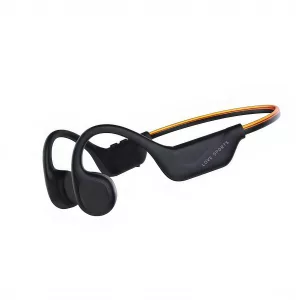
"Do bone conduction headphones damage the brain?" With the growing popularity of bone conduction headphones in sports scenarios, this question has gradually become a hot topic among consumers worldwide. The non-in-ear, open-ear wearing experience has made them a favorite among sports enthusiasts and people with sensitive hearing. However, their unique feature of "transmitting sound waves directly to the skull" has also aroused concerns about their safety among many users.
First, the definitive conclusion is: qualified bone conduction headphones pose no harm to the brain. From the perspective of sound generation principle, bone conduction headphones drive the auditory cells in the inner ear to work directly by vibrating the skull, bypassing the conduction process of the external auditory canal and eardrum. This technology is not new; it has been applied in military, medical and other fields since the last century.
Its sound wave transmission path completely avoids the core brain tissues and will not cause direct impact on brain tissue. The essence of bone conduction is the reasonable transmission of mechanical vibrations. The vibration frequency and intensity of qualified products are strictly calibrated, acting only on the bones and cells related to hearing, with no direct connection to brain damage.
What consumers really need to be wary of is the potential risks posed by inferior products. Currently, some low-cost bone conduction headphones on the market have problems such as excessive vibration amplitude and unstable frequency. Long-term wear may cause discomfort such as dizziness and tinnitus, but these are not signs of brain damage, but rather interference of improper vibrations on the vestibular organs.
In addition, if the open-ear wearing method is misused,such as turning the volume up excessively to pursue clear sound quality in noisy environments—it may lead to a decrease in hearing threshold. This risk exists in all audio devices and is not exclusive to bone conduction technology.
For consumers' purchasing and usage, we offer three key recommendations:
Prioritize products with brand endorsements and official testing certifications, and avoid unqualified three-no products.
Control the usage duration; avoid wearing them continuously for more than 2 hours to give the auditory system sufficient rest time.
Adjust the volume according to the usage scenario. In noisy outdoor environments, use windproof and noise-reducing accessories instead of blindly increasing the volume.
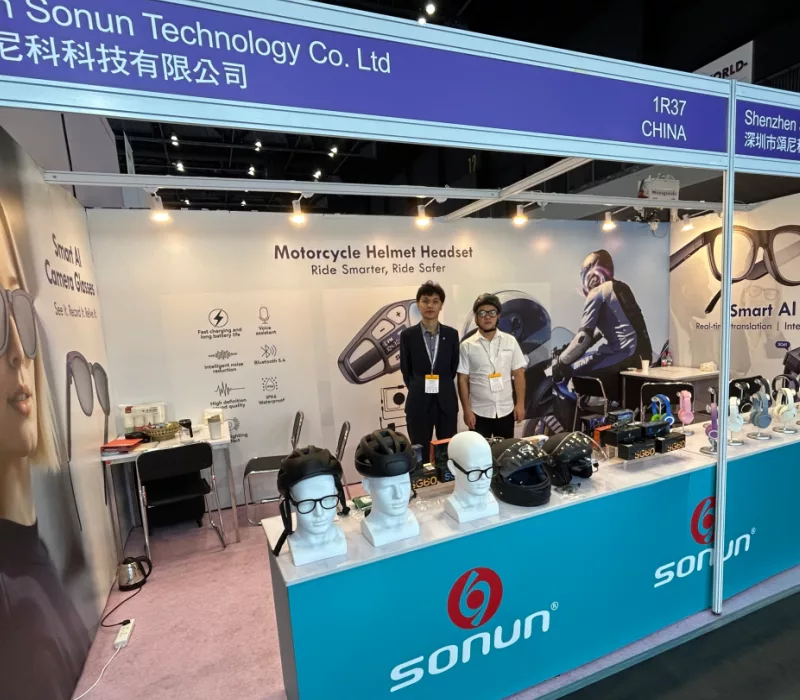
The core of bone conduction headphones' safety lies in "qualified products and scientific usage". As technology continues to mature, this product category, which combines convenience and health advantages, will keep optimizing people's audio experience. Sonun will also continue to deepen technological R&D and provide high-quality OEM & ODM solutions, helping global brands create safer and more comfortable bone conduction headphone products, allowing consumers to enjoy the convenience brought by technology with peace of mind.