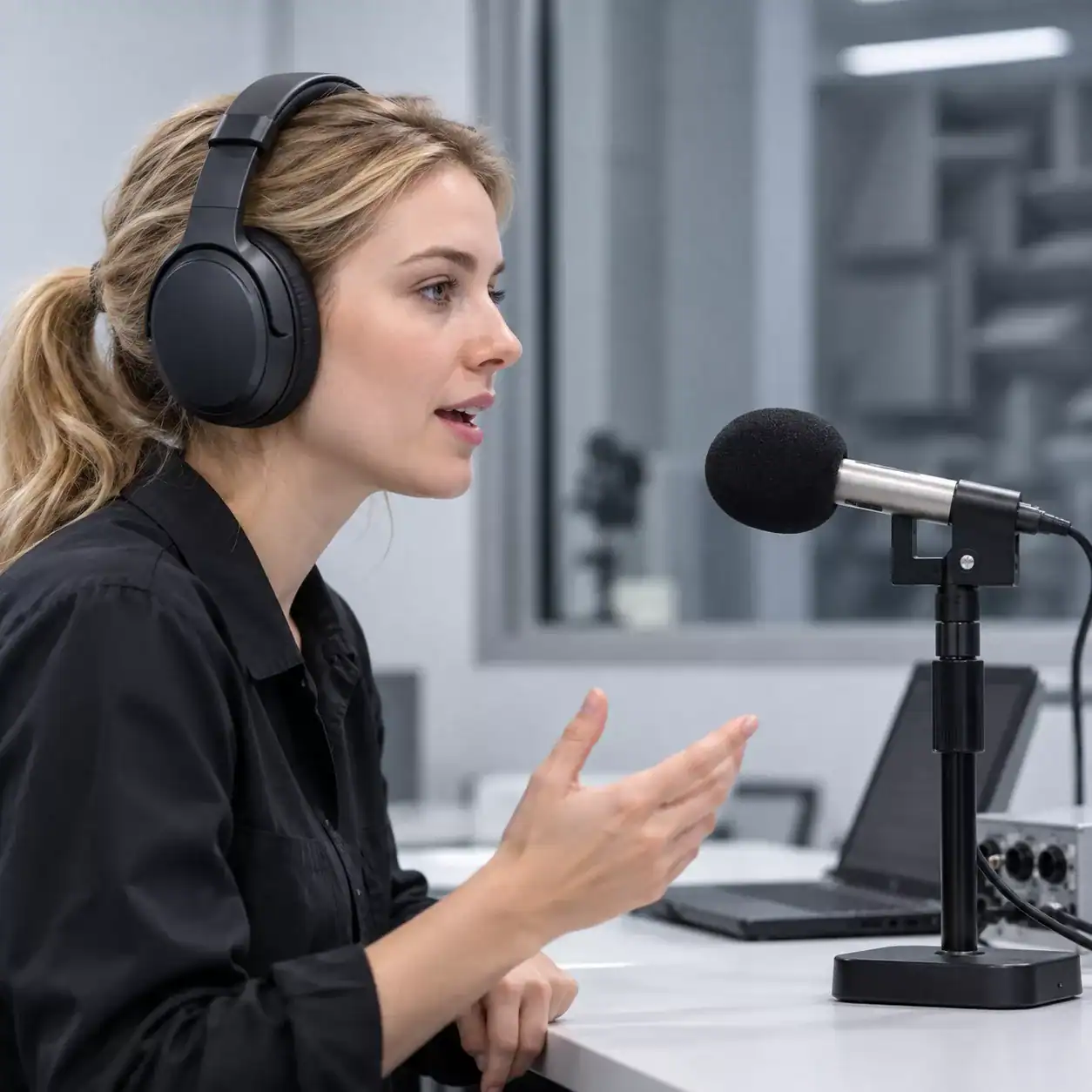
Many headphone orders get approved this way: the buyer listens to a few songs, checks the look and the fit, and greenlights mass production. Later, returns arrive with the same complaint: the person on the other end of my calls cannot hear me.
The problem never shows up on approval day, because what you test at the sample desk is music and fit. What causes the return is the call, and that is a completely different signal path.
Why a Music Test Says Nothing About Calls
When you play music, sound goes straight from the drivers into your ears, so that path only tests the drivers and the tuning. On a call, the headphone must pick up your voice with its microphones, process it through noise reduction, and send it over Bluetooth to the other phone. What the far side hears depends on every step of that path.
Approval usually happens in a meeting room, and in that quiet, almost any sample sounds fine on a call. Call problems only surface in noise: street traffic, a rumbling subway, a busy cafe. How the noise reduction handles those sounds decides whether the far side hears a clean voice or a blurred mess.
So making a quick call and asking can you hear me is not a test. It happens in a quiet room and proves nothing about real usage.
Test in Quiet and Noisy Conditions, Separately
Call testing at the sample stage needs at least two rounds. The first round in a quiet room checks basic voice pickup. The second round runs in noise, because that is where customers actually take calls.
You do not need lab equipment. Stand on a busy street, ride a subway, or sit with the TV on, and have two people make a real call: one wears the sample, the other listens and records on the far end. Judge what the far side hears, not what the wearer hears, because the customer who returns the product is on the other end of the line.
Manual testing shows whether an obvious problem exists; comparing numbers across suppliers takes objective scoring. The ITU's P.863 recommendation defines how to score a recorded call, and third-party labs commonly use it. When you request a call quality report, ask which method it used and what noise conditions the test ran in.
Microphone Count Is Not Call Quality
The microphone count on a quotation is the easiest spec to compare, but it does not equal call quality. A multi-microphone design only delivers value through the software that runs it.
When several microphones pick up sound at once, the algorithm compares the differences between the signals, keeps the sound arriving from the direction of the voice, and pushes everything else down. This technique is what the industry calls beamforming. How well it works depends on where the microphone openings sit, how the structure blocks wind noise, and how carefully the factory tuned it.
The ENC label on spec sheets refers to this same kind of processing, which suppresses background noise and sends out only the voice. Chip vendors build much of this software into their platforms, and Qualcomm's cVc technology is a common example, covering echo cancellation and multi-microphone noise reduction.
The same algorithms sound very different from different factories, so the evidence that matters is not the mic count or the platform name. It is a side-by-side listening comparison of recorded calls made in noise.
Test Call Battery Life Separately From Music Battery Life
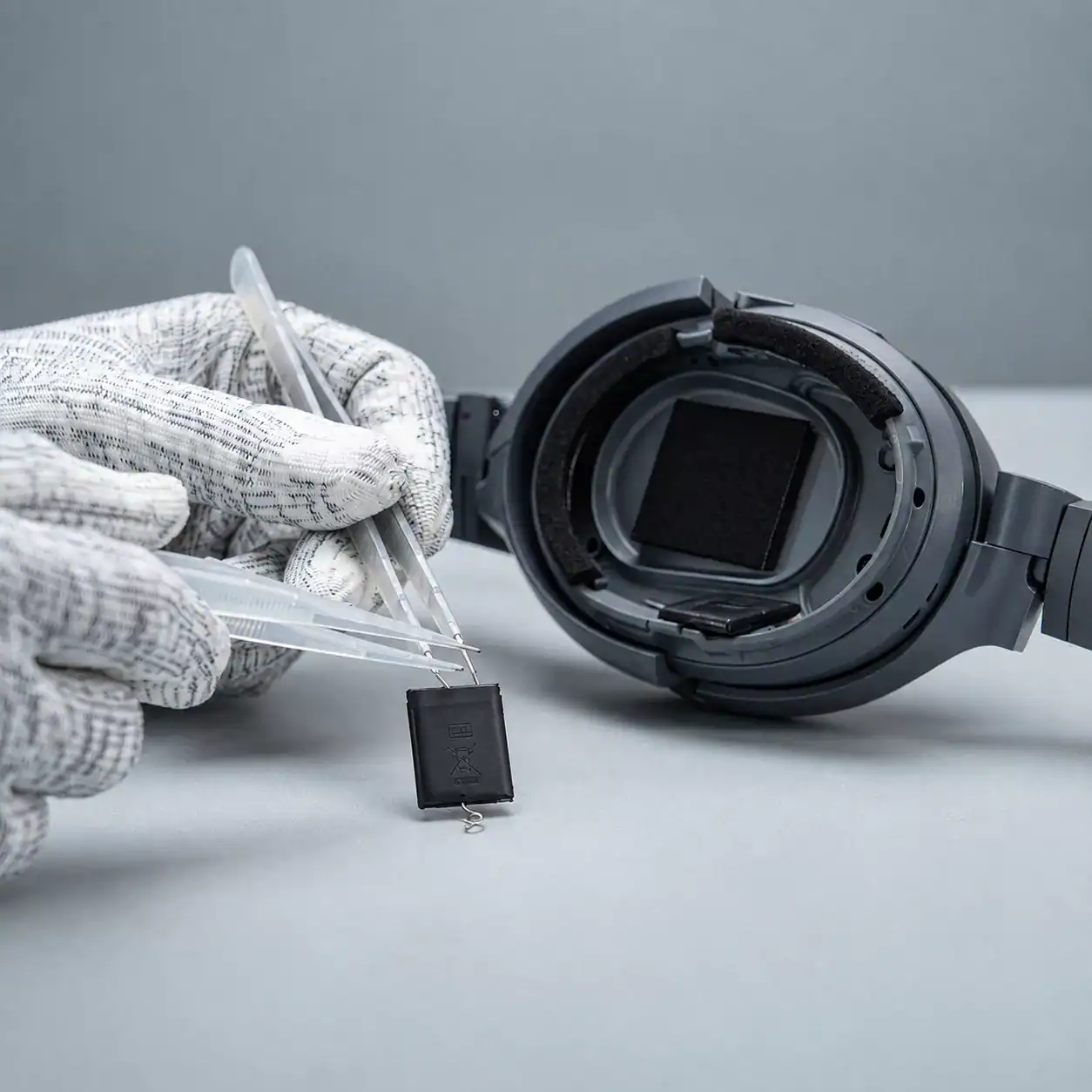
Power draw during calls gets skipped again and again. On a call, the microphones and the noise reduction run nonstop, and Bluetooth carries traffic both ways, so call battery life usually comes out shorter than music battery life.
The battery figure on a quotation defaults to music playback. Buyers who copy it straight into marketing material end up dealing with complaints that calls drain the battery fast.
At sample approval, test and list the two numbers separately. How long each call lasts and which app you call through must be fixed, just like the music battery test conditions. For the full method, see our article on testing battery life before mass production.
Write the Call Conditions Into Your Approval Standard
Call test results only support an approval if you can reproduce them. If the factory swaps in new materials two weeks later, results from different conditions cannot be compared. Fix the conditions and put them into the sample approval record.
The fixed conditions should cover at least four items:
(1)Noise environment: one quiet room, plus at least one noisy scene
(2)Both ends of the call: device models and the calling app
(3)Call length: minutes of continuous talk and number of rounds
(4)Recording: the far-end audio files and the test date
Archive every recording together with the firmware version it ran on. Call quality is decided largely by the noise reduction software in the firmware, so if the factory updates the firmware mid-project, the earlier call tests need to run again, or the approval record no longer matches the mass production product.
Call quality is a common return reason for wireless headphones and the easiest item to skip at approval. Two rounds of testing, archived recordings, and separate battery numbers fit into a sample plan within hours. If you are evaluating a new headphone project, send your call test conditions to the factory at the sample stage and have them run the test before shipping samples.