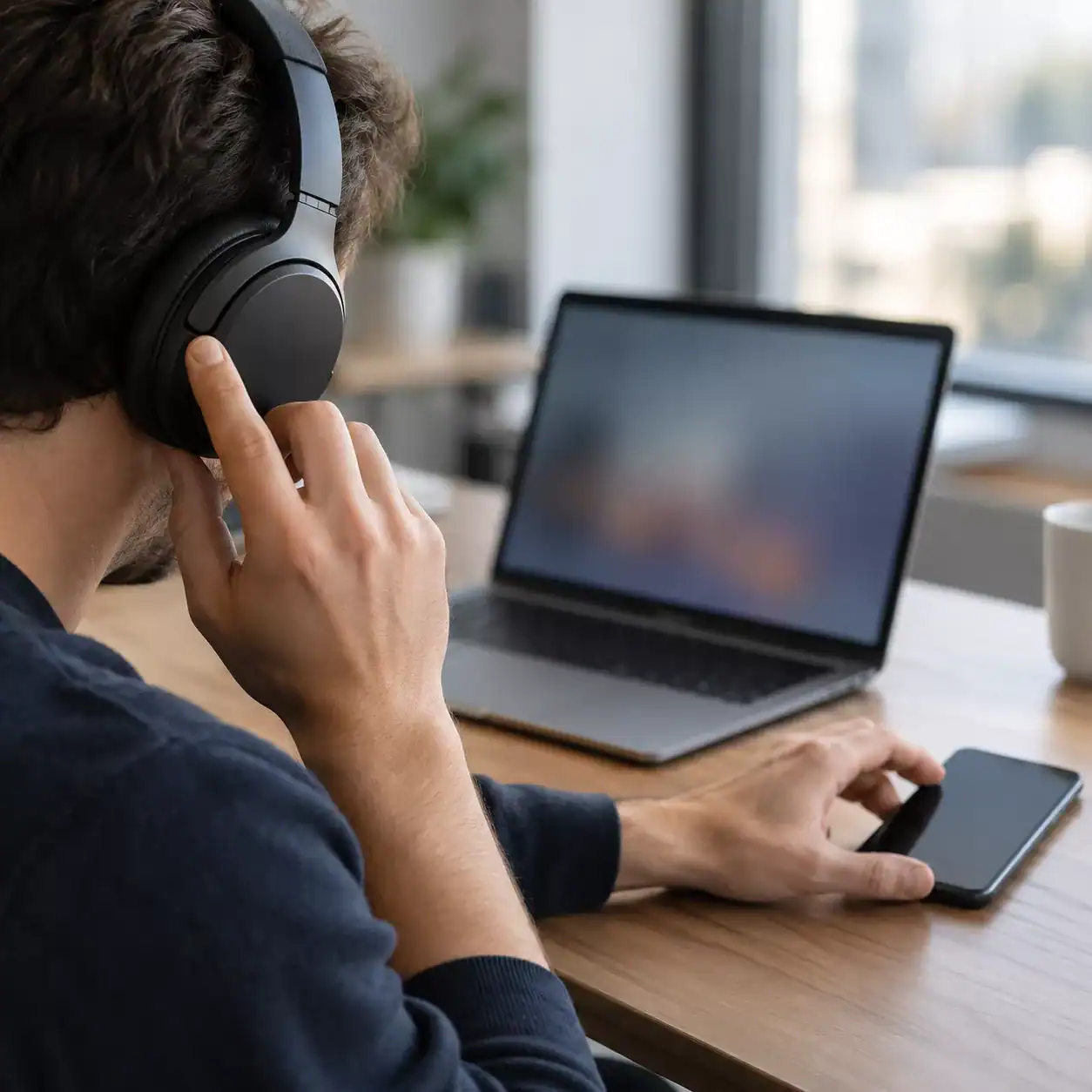
You try a pair of noise-canceling headphones in a meeting room. You switch on noise cancellation, and the hum of the air conditioner gets quieter. It is a good first impression. But when a customer wears the same headphones on a windy commute, the rushing sound can make it hard to follow a podcast.
Both results can be true. If the noise cancellation rating comes from a test without wind, it does not tell you how the headphones sound in windy conditions. If your customers use noise cancellation outdoors, test wind noise before you approve the samples.
Why Wind Can Sound Louder With Noise Cancellation
Active noise cancellation, or ANC, uses microphones to pick up outside sound. The headphones then produce a sound wave that cancels out some of that noise. When wind blows across a microphone opening, the microphone picks up a rushing sound. On some headphones, that sound is more noticeable with ANC on.
Sony's guide to wind noise explains that wind can sound louder with ANC or ambient sound mode turned on. Ambient sound mode lets you hear more of what is around you while wearing the headphones.
Some Sony models can reduce wind noise automatically. When the wind reaches a certain level, the headphones temporarily switch off one or both microphones used for ANC. Even if the wind sounds quieter, do not assume ANC is still as strong as it was without wind. The headphones return to normal noise cancellation when the wind stops.
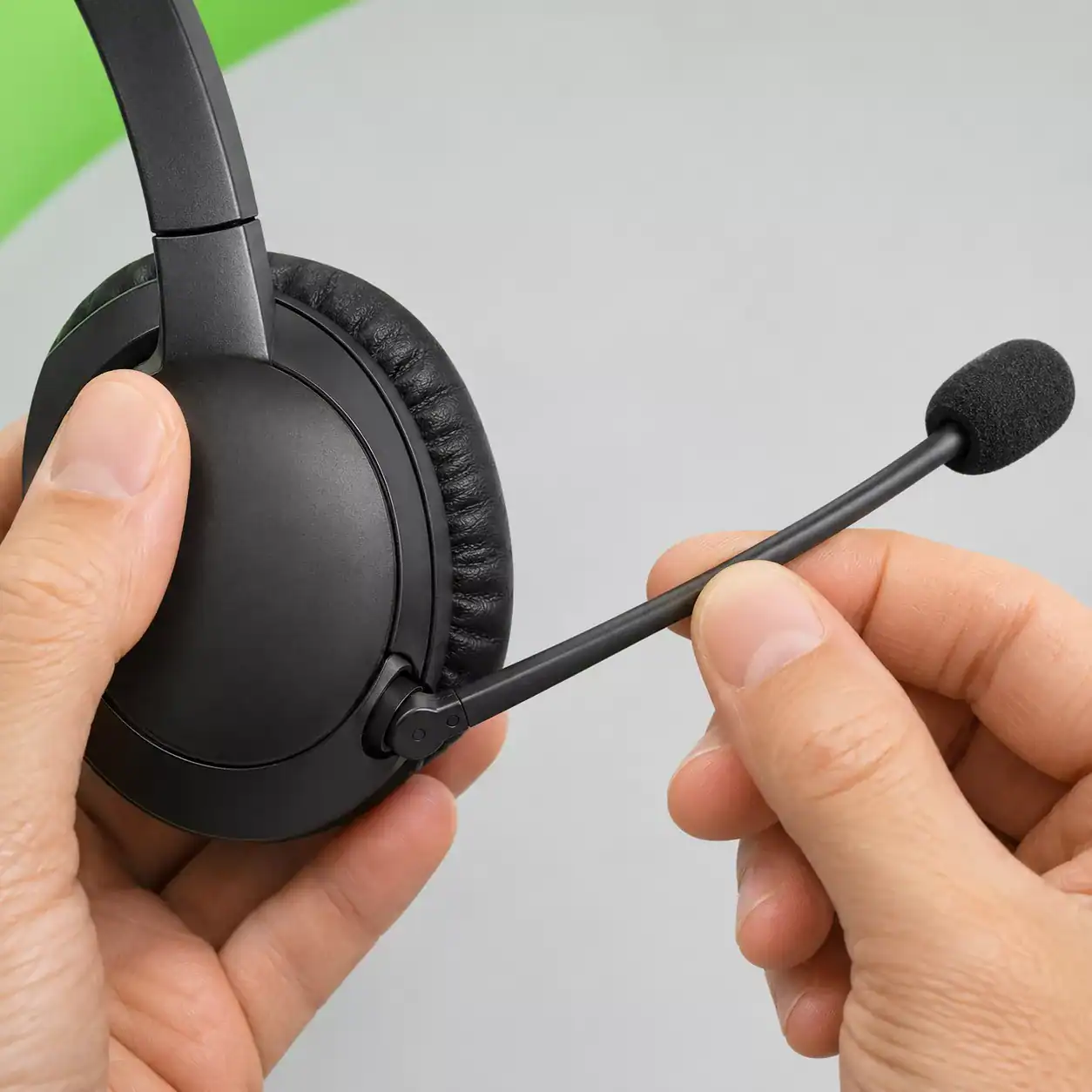
Ask the factory two questions. Are the microphone openings shielded from wind? How do the headphones respond when they detect wind? If the sample is too noisy in wind, ask whether a software update can reduce it or whether the design around the microphone opening needs to change.
Use a Desk Fan to Repeat the Wind Test
Think of riding a bike, walking by the sea, or passing between tall buildings on a windy day. If you compare two samples outdoors, the first might face a light breeze and the second a strong gust. It is hard to tell whether the difference comes from the headphones or the wind.
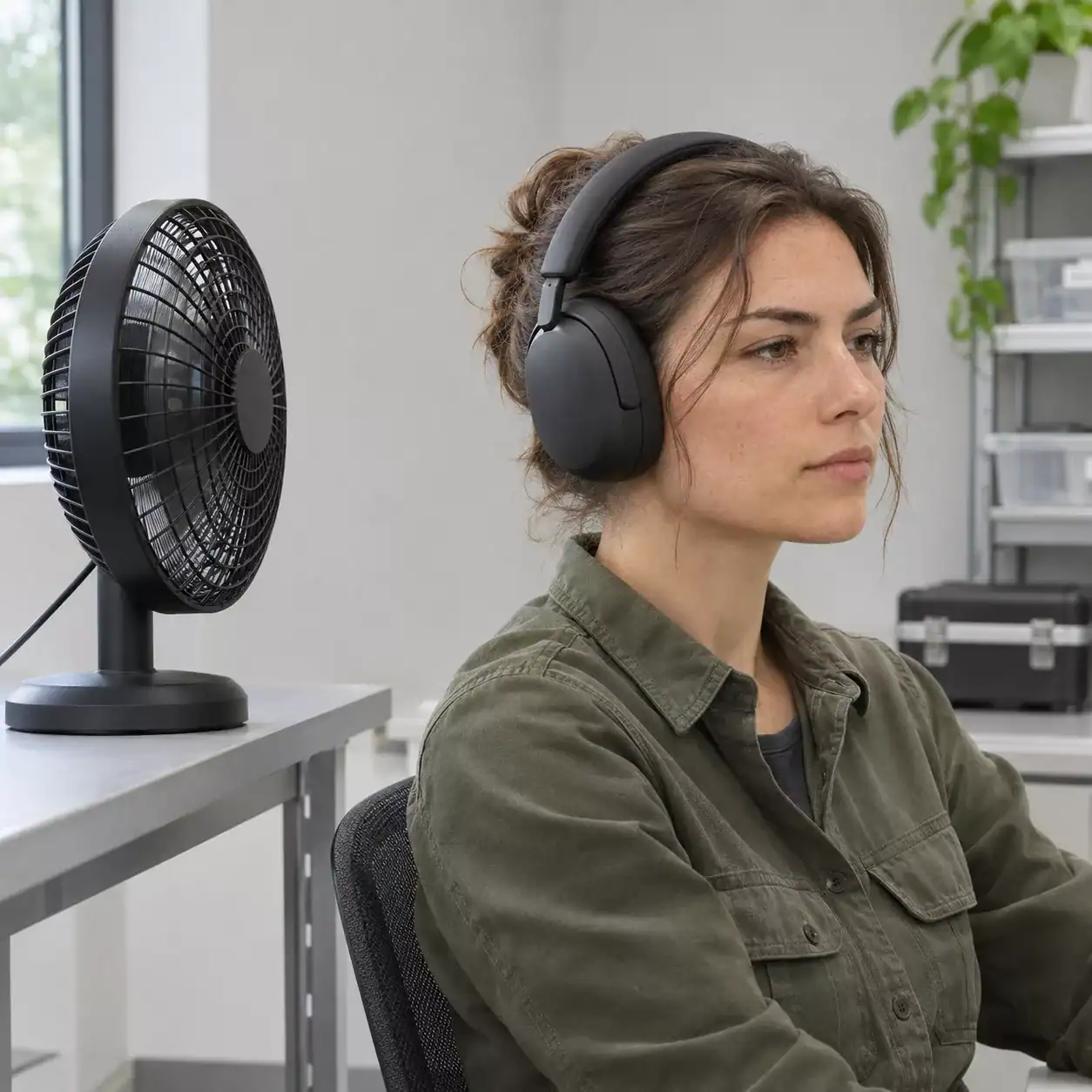
Start with one desk fan. Have the tester sit in the same spot each time, and keep the fan at the same distance, speed, and angle. A desk fan cannot copy every kind of outdoor wind, but if you write down the setup, someone else can repeat the test under the same conditions.

Test Wind Noise in Three Modes
Use the same fan setup with ANC on, with ambient sound mode on, and with both modes off. In the third test, leave the headphones powered on. You want to hear how much wind noise reaches your ears without either mode running.
First, listen for a rushing sound without playing anything. Then play the same music or podcast clip at the same volume and check whether you can still hear it clearly. Keep the fan running for a few minutes in each mode and note whether the wind noise stays about the same or gets louder.
Test Wind Noise on Calls Separately
When you listen to music, the test is about what you hear through the headphones. On a call, the test is about what the person on the other end hears. The headphones can sound quiet to you while wind makes it hard for the other person to hear your voice.
Follow Sonun's headphone call quality test guide. Have the tester speak normally while the fan is running, and ask the person on the other end to listen and record what they hear. Keep this recording separate from the listening test notes so the factory knows which problem to fix.
Set a Wind Noise Requirement Before Sample Approval
| Test mode | What to listen for |
|---|---|
| ANC on | How loud is the rushing sound? Can you still hear the music or podcast? |
| Ambient sound mode on | Does the wind sound louder than it does with both modes off? |
| Both modes off | How much wind noise do you hear without either mode? |
| During a call | Does wind drown out the speaker's voice? Record what the other person hears separately. |
"Listen outdoors" is too vague for a sample approval test. Record the fan distance, speed, and angle. Note how long you tested each mode. If someone else repeats the test, start with the same setup so you can compare what you both heard.
If you do not know what should count as a pass, compare several samples using the same podcast clip. Once you find one you can accept, write down why. For example, with ANC on and the fan set as agreed, you can still hear every sentence in the podcast. Use that requirement when you retest the sample before approval.
If your customers use ANC while cycling or commuting, tell Sonun where they use their headphones and what you expect from the wind test. We will test the samples under the agreed conditions before shipping them and include the results for each mode.